 Sign in
Brazil
7 OffStereo shows touch Brazil, spanning 1958–1986. Among them: Tropicalia: Brazil's Rebel Sound, Mutants, Mayhem, and '68 Brazil.

Tropicalia: Brazil's Rebel Sound
Tropicália challenges Brazil's 1968 dictatorship, as artists like Caetano Veloso and Os Mutantes fuse global sounds with cultural cannibalism into a provocative, uniquely Brazilian resistance.
Answers: What was Tropicália?

Mutants, Mayhem, and '68 Brazil
Brazil's 1968 Tropicália movement, with Os Mutantes' 'Panis et Circencis' as its manifesto, fuses psychedelic rock and local sounds to challenge military rule.
Answers: what was Tropicália?
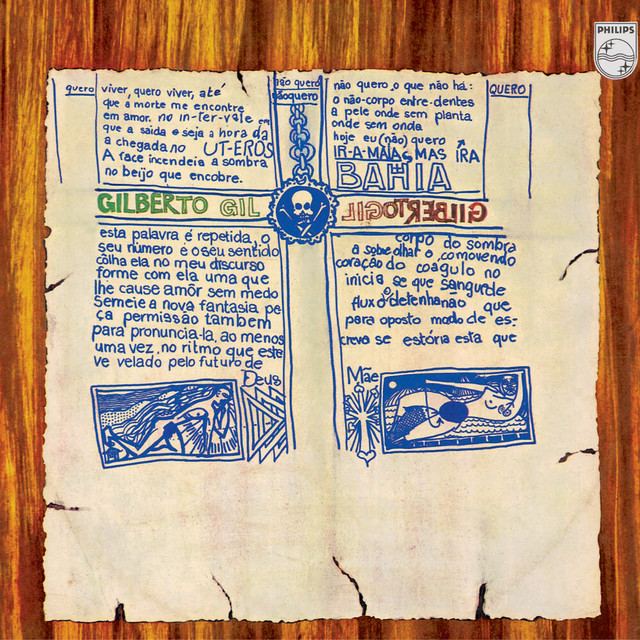
Gilberto Gil: Guitar Echoes
Gilberto Gil, Caetano Veloso, and Os Mutantes fuse Brazilian rhythms with rock and pop, creating Tropicalia's defiant sound that challenges a regime and reshapes music from 1967 to 1972.
Answers: What was the significance of "Aquele Abraço" by Gilberto Gil?

Brazil: Psych, Protest, Exile
From Caetano Veloso's "Alegria, Alegria" to Elis Regina's "O Bêbado e a Equilibrista," Brazilian artists defy the 1964 military dictatorship with protest, subversion, and anthems of hope.
Answers: why were brazilian musicians exiled in the 60s and 70s?
Tropicalia: Art vs. Censors
Caetano Veloso and Gilberto Gil lead Tropicália's charge in late 1960s Brazil, fusing pop and traditional sounds to subvert the military dictatorship's censorship and defy arrest.
Answers: What was Tropicália?

Brazil's Punk Awakening
Brazil's late 70s punk awakening in São Paulo, pioneered by Restos de Nada and Lixomania, forged a defiant sound against military rule, later echoing in Brasília with Plebe Rude.
Answers: what was early brazilian punk a response to?

Gilberto's Quiet Bossa Nova Revolution
João Gilberto's revolutionary "batida" guitar and intimate vocals transformed Brazilian samba into bossa nova, launching a global sensation with "Chega de Saudade" and Getz/Gilberto.
Answers: what was so revolutionary about João Gilberto's style?