 Sign in
The Beatles
OffStereo builds narrated music history shows around real records. The Beatles runs through 7 of them, 2 that take them as the subject and 5 more where they surface inside someone else's story. They appear most often alongside The Beach Boys, The Supremes and Stevie Wonder.
Shows about The Beatles
The White Album: Voices Emerge
The Beatles' 1968 double album, from 'Helter Skelter' to 'Dear Prudence,' captures the late-sixties explosion of individual artistic voices, from Blue Cheer's heavy rock to Vashti Bunyan's introspective folk.
Featuring Dear Prudence · Helter Skelter · Blackbird
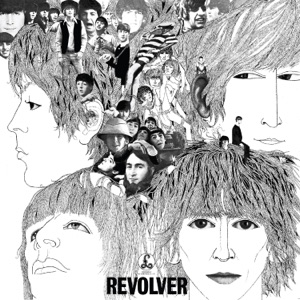
Sgt. Pepper's: Songs or Possibility?
Sgt. Pepper's pushed boundaries, but The Beatles' Revolver and The Beach Boys' Pet Sounds already laid the groundwork for its studio innovations and psychedelic sound.
Featuring Tomorrow Never Knows · Sgt. Pepper's Lonely Hearts Club Band · A Day in the Life
Shows where The Beatles appears

Beat Switches: Sonic Storytelling Shifts
The beat switch, from Kanye and Jay-Z's "Murder to Excellence" to Travis Scott's "SICKO MODE," evolves into a defining hip-hop technique, crafting dynamic narratives for Drake, Frank Ocean, and Kendrick Lamar.
1 of 8 tracks — A Day in the Life

Synth's Funk Odyssey
Wendy Carlos's "Switched-On Bach" introduced the Moog, but it took Keith Emerson, Stevie Wonder, and the Ohio Players to make the synthesizer a genre-defining lead instrument in rock, funk, and hip-hop.
1 of 8 tracks — Because

The Art of Mono Immensity
The 60s saw producers like Phil Spector and Brian Wilson craft massive, layered mono soundscapes, from the Wall of Sound to The Beatles' studio as instrument, all for radio's airwaves.
1 of 7 tracks — Tomorrow Never Knows

Tape vs. Circuitry: The Keyboards
The Mellotron's organic tape sounds and the synthesizer's pristine electronics offer two distinct paths that define pop's evolution from The Beatles to Daft Punk.
1 of 7 tracks — Strawberry Fields Forever

1967: Studio as Sound Canvas
In 1967, the studio became an instrument itself, as The Beatles, The Supremes, and Jimi Hendrix used tape manipulation and multi-tracking to craft sounds impossible to play live.
2 of 7 tracks — A Day in the Life · Strawberry Fields Forever